

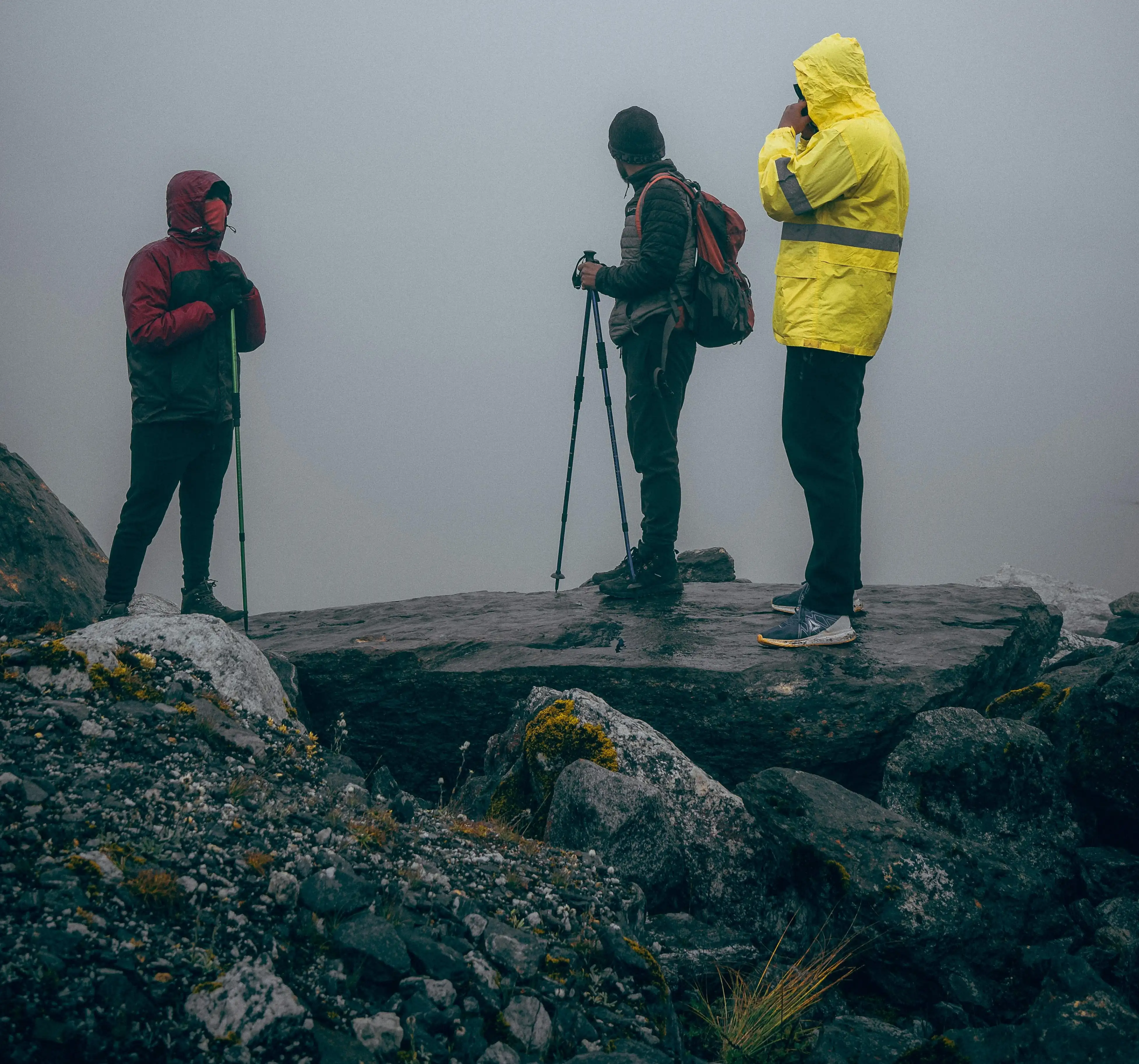

Nepal is being hit with repeated heavy rain showers that will continue until October 6, prompting the authorities to issue high-level warnings against unnecessary travel and trekking across the country. The Department of Hydrology and Meteorology (DHM) has released a warning that the current rain could cause widespread disruptions in the nature of landslides, flash floods, road blockage, and potential threats to life and property in most areas.
According to the DHM's weather forecast, an association of a low-pressure system accompanied by moisture-laden winds from the Bay of Bengal is responsible for the heavy to very heavy rainfall in the nation. Western, central, and eastern Nepal will experience the heaviest rainfall, with some places likely to experience localized flooding and landslides. Meteorologists have requested citizens to remain vigilant and take appropriate precautions on these days.
Authorities Urge Caution and Restrictive Movement
The Home Ministry, in association with the National Disaster Risk Reduction and Management Authority (NDRMMA), has requested people to reschedule travel plans, particularly in hill and mountain regions. The officials have specifically cautioned people against trekking, as routes will be slippery and rivers susceptible to sudden swelling due to incessant rain.
"With the persistence of the heavy rain, we would highly advise all tourists and travellers to avoid areas hit until it becomes stable," said a representative for NDRRMA. "Landslides may shut down roads, and river crossings are dangerous. Safety must take precedence."
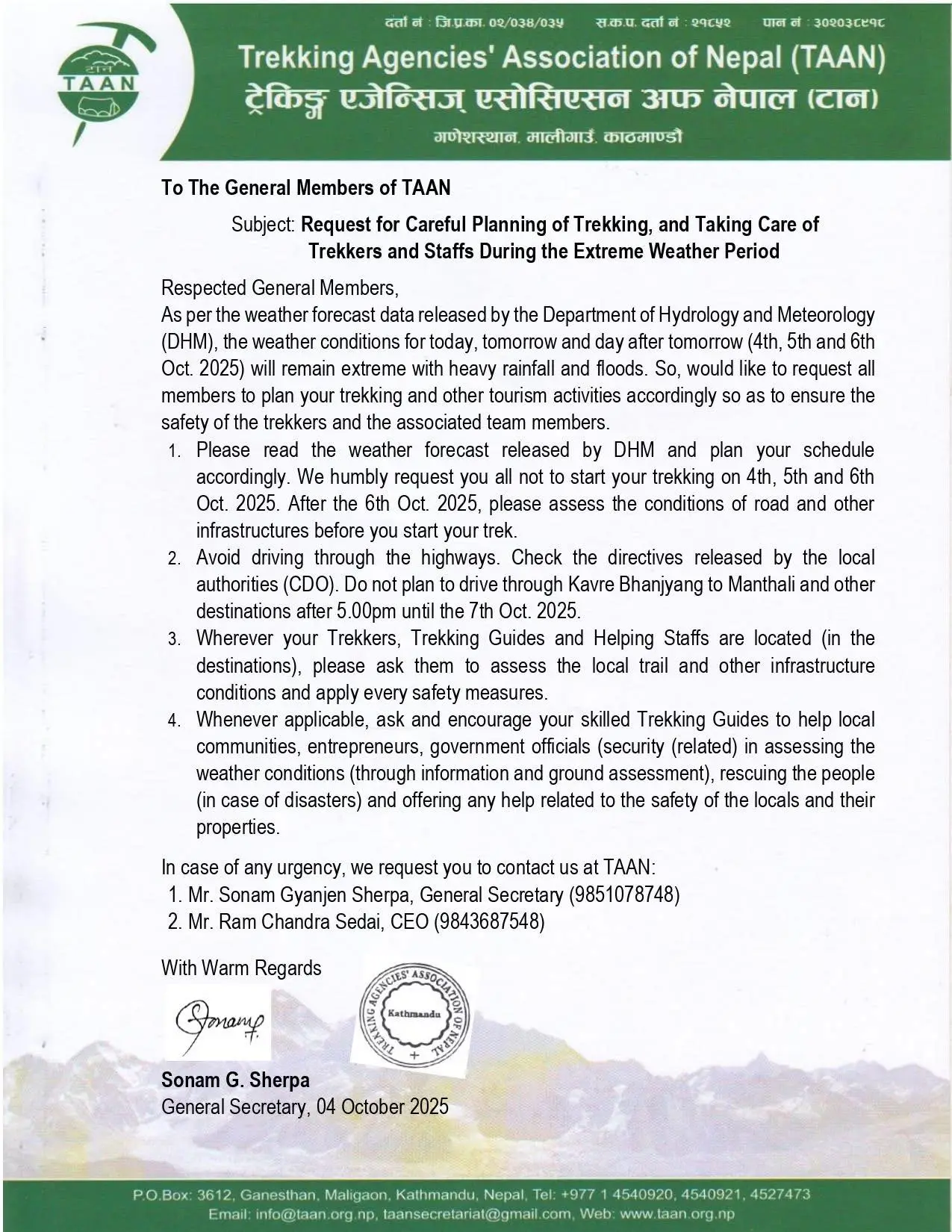
The authorities have also advised drivers on major highways, including the East-West Highway, BP Highway, and Prithvi Highway, to exercise extreme caution. Landslides and waterlogging have already taken place in certain areas, and short-term traffic congestion and delays have occurred. Road safety officers are monitoring key locations and deploying emergency teams for removal of obstructions and assisting stranded vehicles.
Impact on Transportation and Tourism
The heavy rain is causing widespread disruption to transport services like buses, lorries, and personal vehicles. Roads have been partially closed on different highways, and temporary blockades of regional roads in hilly areas are being caused by landslides. Passengers have been advised to contact local authorities and check road conditions before traveling.
Tourism operators, particularly trekking operators and tour guides, have been worried about the impact on mountain trails and trekking trails. The Annapurna, Everest, Langtang, and other trekking regions are experiencing heavy rain showers, making trails slippery and muddy. Tea houses and lodges along the trails are complaining of access being restricted by landslides and bridges being destroyed.
Local tour operators have also advised tourists against traveling to high-altitude areas during this period. "Many bridges and routes are already damaged by rain," said an Everest region trekking guide. "The river crossings are very dangerous now, and some remote villages might become temporarily inaccessible. It is wiser for tourists to postpone their visits until the weather improves."
Flooding and Landslide Risks
The recurrent rain has heightened the risk of flood in low-lying areas and river banks. There are already rising water levels in some districts near the Bagmati, Koshi, and Gandaki rivers. The government has requested individuals living in flood-prone areas to be vigilant, move to higher grounds if necessary, and avoid venturing close to rivers during heavy rain times.
Landslides are also a major problem, particularly in mountainous and hilly districts such as Sindhupalchok, Ramechhap, Gorkha, Dhading, Kavrepalanchok, and Solukhumbu. Early warning systems have been launched, and disaster management units are on the ready. The people have been requested to secure loose objects, inspect slopes near them, and evacuate if instructed.
Government Response and Preparedness
The authorities have deployed rescue teams, including the Nepal Army, police, and local disaster management units, to aid affected communities and cut road-blocking landslides. Temporary shelters have been activated in risk-prone districts, and food, water, and medicine are being distributed to high-risk community residents.
Public enlightenment has also been given a lot of priority by the authorities. Citizens are encouraged to regularly monitor weather conditions, listen to government advisories, and avoid areas where rain is being felt unless unavoidable. Authorities are working closely with telecommunications operators to facilitate quick emergency messages to remote locations.
Advice for Residents and Travelers
Health and safety authorities advise members of the public to avoid going outside during heavy rain, drain water around their homes properly, and fill emergency kits with essential supplies. Nepalese travelers and visitors are advised to postpone trekking, remain indoors during peak rainy seasons, and maintain contact with local guides and government officials.
People traveling domestically are recommended to confirm road conditions and means of transport before embarking. In addition, trekkers are discouraged from making high-altitude treks at this time because unanticipated weather changes and landslides pose mortal dangers.
Outlook and Precautionary Measures
Meteorologists have predicted that the rains will continue up to October 6, though at times irregularly in some areas. The government and disaster relief agencies will continue to monitor the situation and release information to the people in turn.
People living in and visiting these areas are requested to be patient and prioritize safety over traveling timetables. The combination of incessant rain, unstable slopes, and potential floods makes this season particularly risky for individuals in risk-prone zones. Public cooperation will be crucial in minimizing fatalities and property loss.