Nepal Tour Package for 2025, which is a 10-day itinerary, offers a rich combination of nature, culture, and spirituality. From the majestic Himalayan mountain peaks to the vibrant streets of Kathmandu, Nepal is a destination that will attract every type of traveler. Whether you are an adventure seeker, a culture vulture, a wildlife lover, or a spiritual pilgrim, our Nepal tour packages have something for everyone and every kind of travel.
Explore UNESCO World Heritage Sites, ancient temples, serene lakes, traditional mountain villages, and wildlife-filled national parks. Pinnacles are Kathmandu Valley, Pokhara, Chitwan, Lumbini (birthplace of the Buddha), and the scenic foothills of the Himalaya. Our adaptable itineraries cover brief city breaks and luxury tours as well as cultural and nature retreats.
With experienced guides, comfortable stays, and smooth logistics, Nepal Tour Packages promise a never-to-be-forgotten travel experience in one of the world's most fascinating and welcoming countries.
Why you should visit Nepal?
There are many reasons why you should visit Nepal. It is a nation where adventure, culture, and spirituality converge in breathtaking harmony.
Home to the Majestic Himalayas
Nepal is the gateway to the world's highest mountains, among which is the highest, Mount Everest at an altitude of 8,848.86 metres (29,029 ft) above sea level . You will hike through the dense forests and hills top of Nagarkot and Sarangkot and witness the mountains from a distance.
Rich Cultural and Historical Heritage
Nepal is known for its rich cultural history with 7 UNESCO World Heritage Sites just in the Kathmandu Valley. Also, you will visit age-old temples, stupas, and palaces influenced by Hindu and Buddhist traditions, which is the charm of Kathmandu, Pokhara, and Lumbini.
Exotic Wildlife and Nature
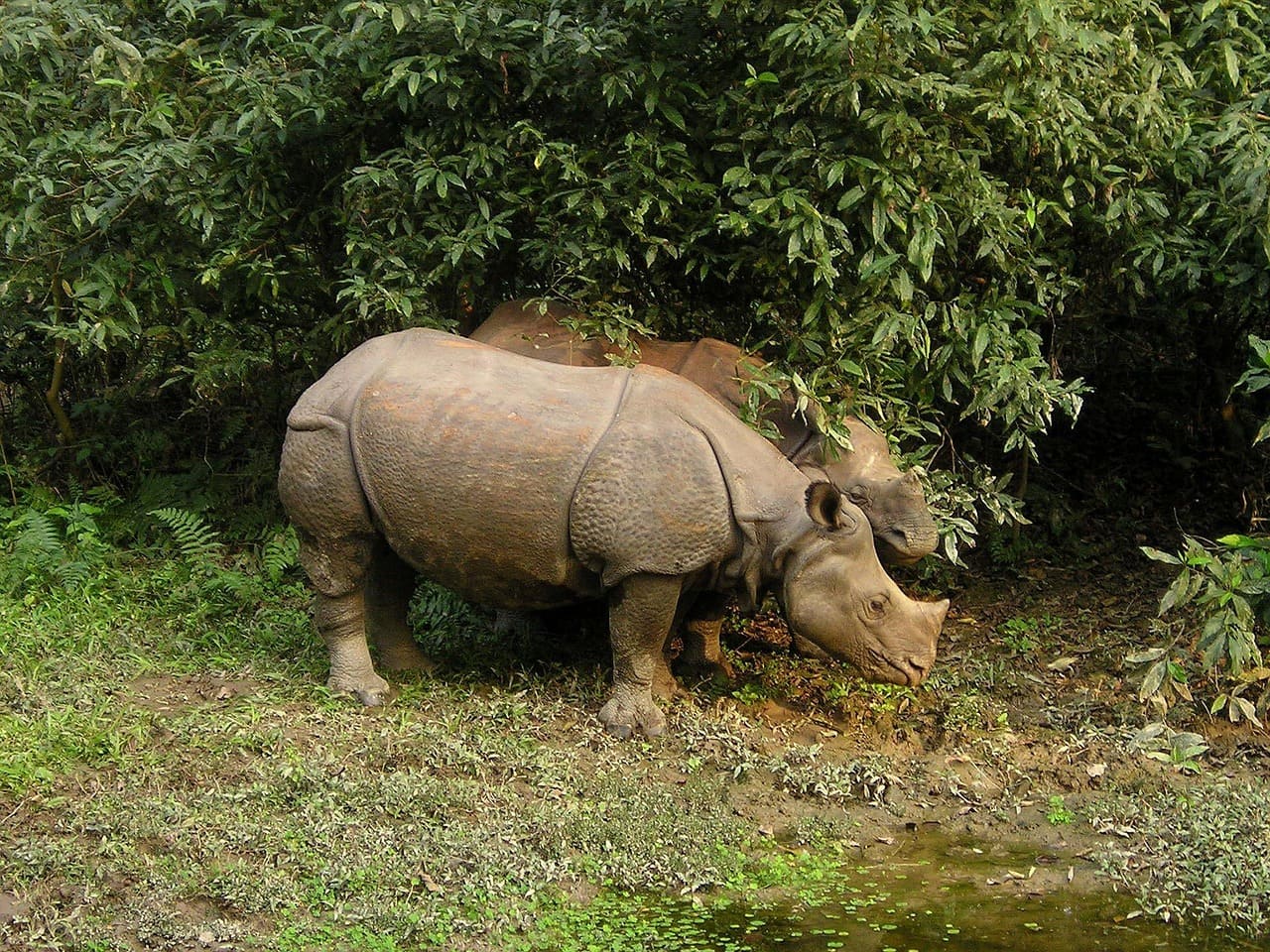
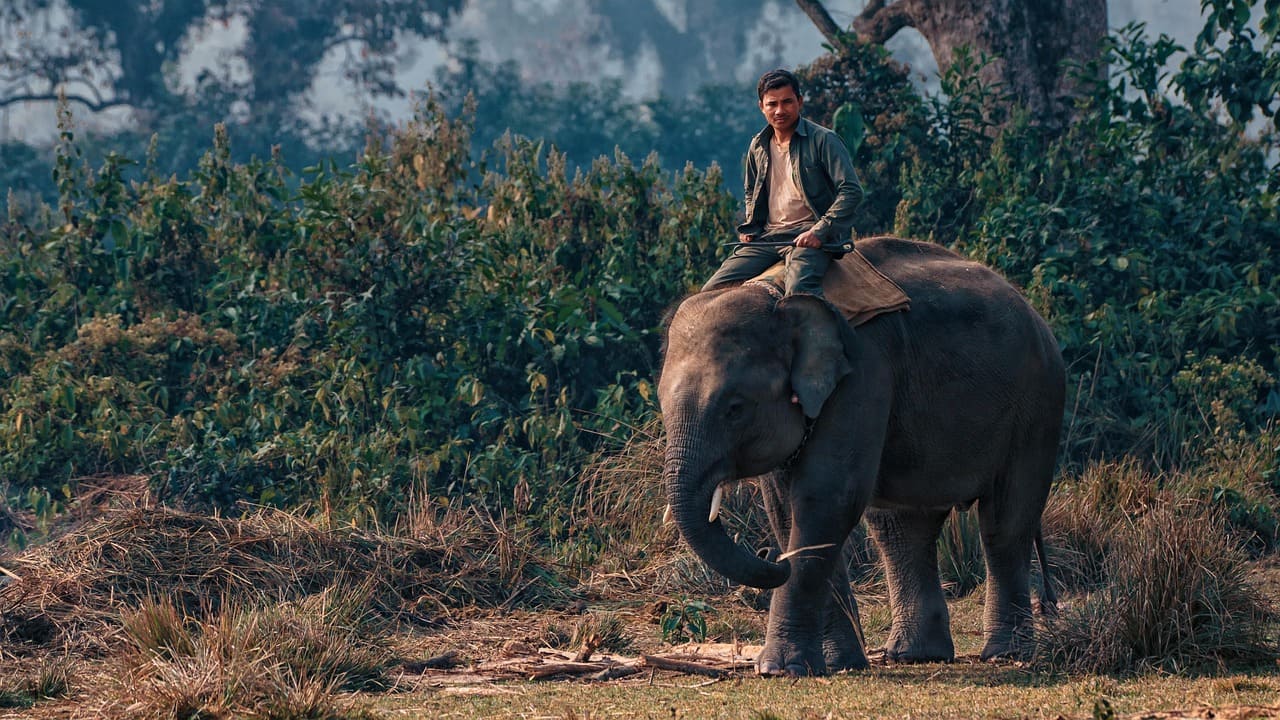
Also on your Nepal tour, you will be visiting the Chitwan National Park's dense forests, where you can spot rhinos, tigers, and elephants, to Pokhara's peaceful lakes. Nepal boasts rare biodiversity and natural beauty.
Spiritual Significance
Nepal is the birthplace of Lord Buddha, which is located at Lumbini, and a spiritual hub for both Hinduism and Buddhism. Whether you’re visiting monasteries, meditating in peaceful retreats, or attending vibrant festivals, spiritual experiences are woven into daily life.
Warm Hospitality and Diverse Ethnic Cultures
Nepalis are known for their friendly hospitality. With over 100 ethnic communities, each having its own language, customs, and celebrations, Nepal offers a cultural kaleidoscope unrivaled anywhere else.
Adventure Capital of South Asia
Nepal is also the adventure capital of south Asia as from trekking, paragliding, white-water rafting, jungle safaris, to climbing and zip-lining, Nepal is the abode for adventure enthusiasts of any class.
Affordable Travel Destination
Nepal offers excellent value for money. It is possible to have a first-class travel experience budget or luxury at a fraction of the cost of what you'd pay in most other countries.
Best Places to Visit in Nepal
The best places to visit in Nepal depend upon whether you are visiting Nepal for trekking, adventure, spirituality, or the adventure. Nepal is a land of stunning beauty, abundant culture, and diverse experiences. Whatever fuels your passion for the Himalayas, spiritual sanctums, or rainforests, Nepal has it all. Here are some of the best places to visit in this incredible nation.
Kathmandu Valley
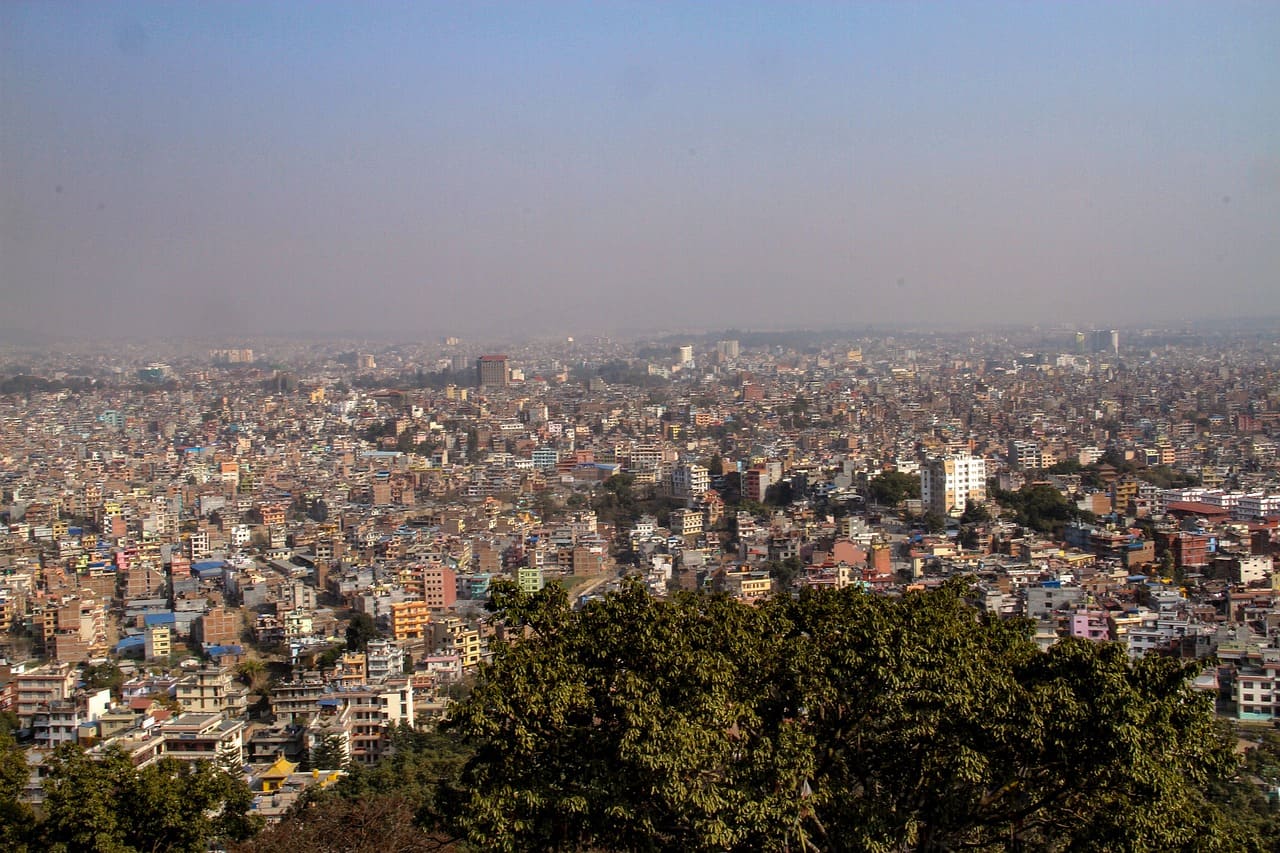
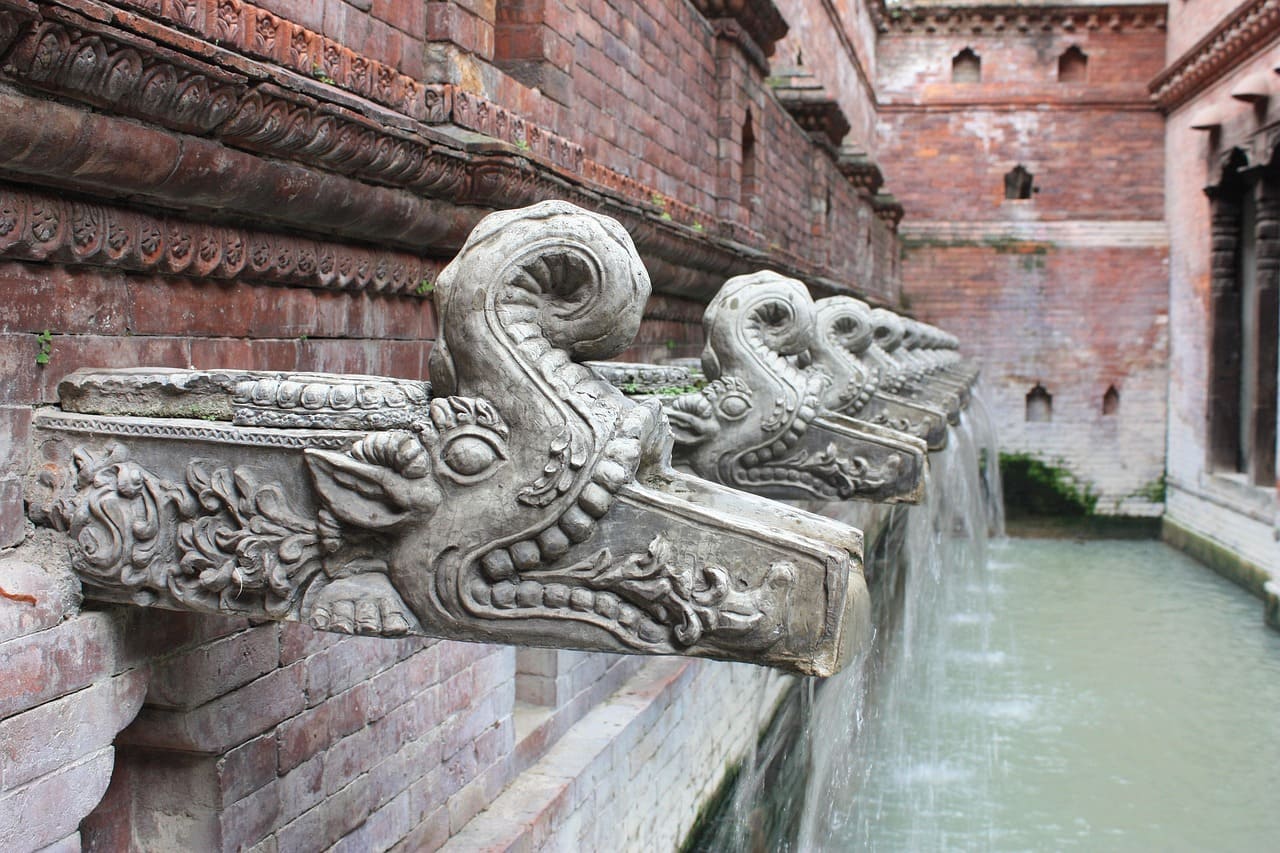
Kathmandu Valley is the cultural and historical heart of Nepal. Kathmandu, Patan, and Bhaktapur, the valley has stunning architecture, sacred temples, vibrant local bazaars(local markets), and at least seven UNESCO World Heritage Sites. From the spiritual ambiance of Boudhanath and Swayambhunath (Monkey Temple) to the sacred Hindu temple of Pashupatinath and the historic royal squares, Kathmandu Valley is an immersion in the rich cultural heritage of Nepal.
Pokhara Valley
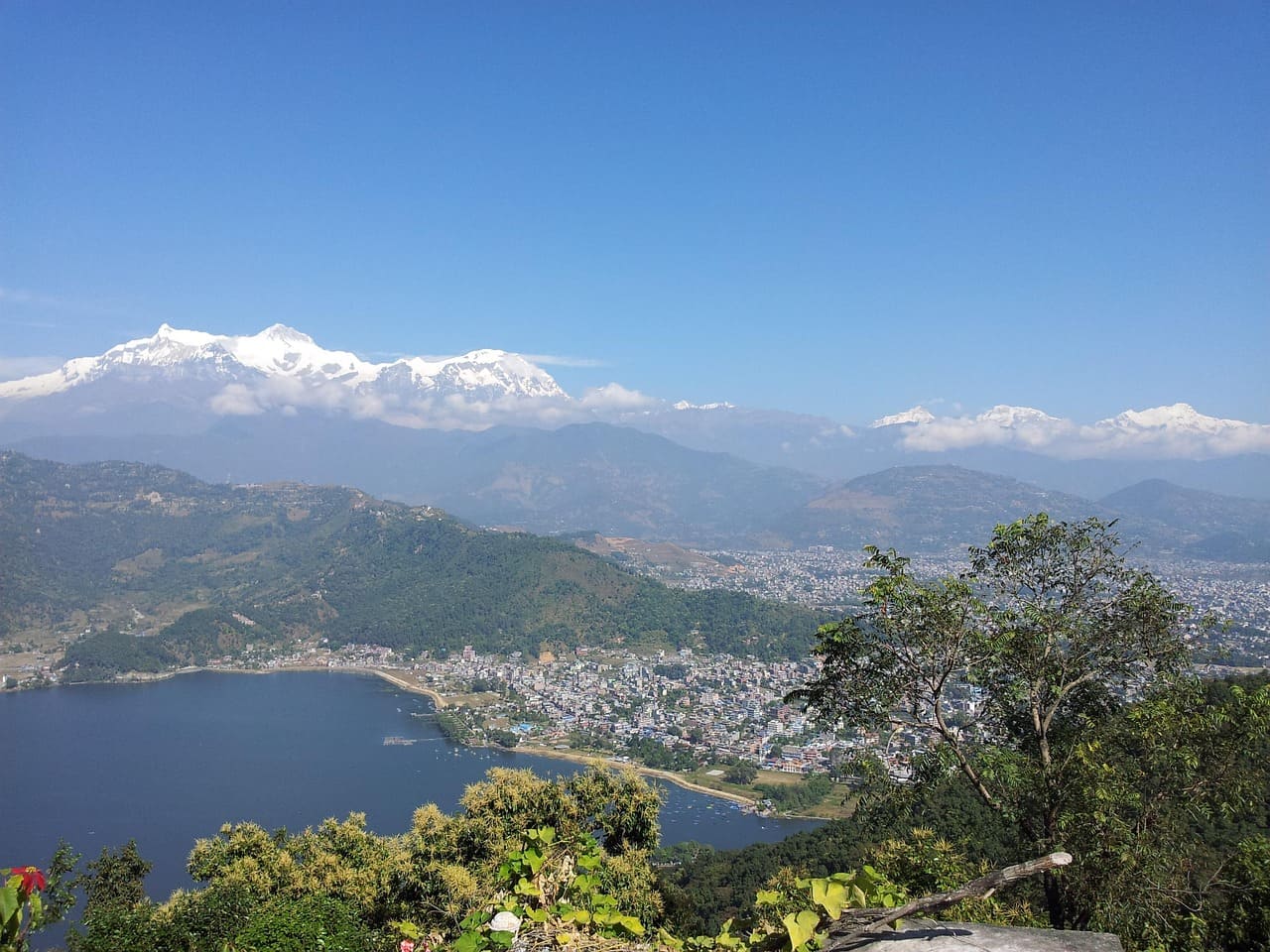
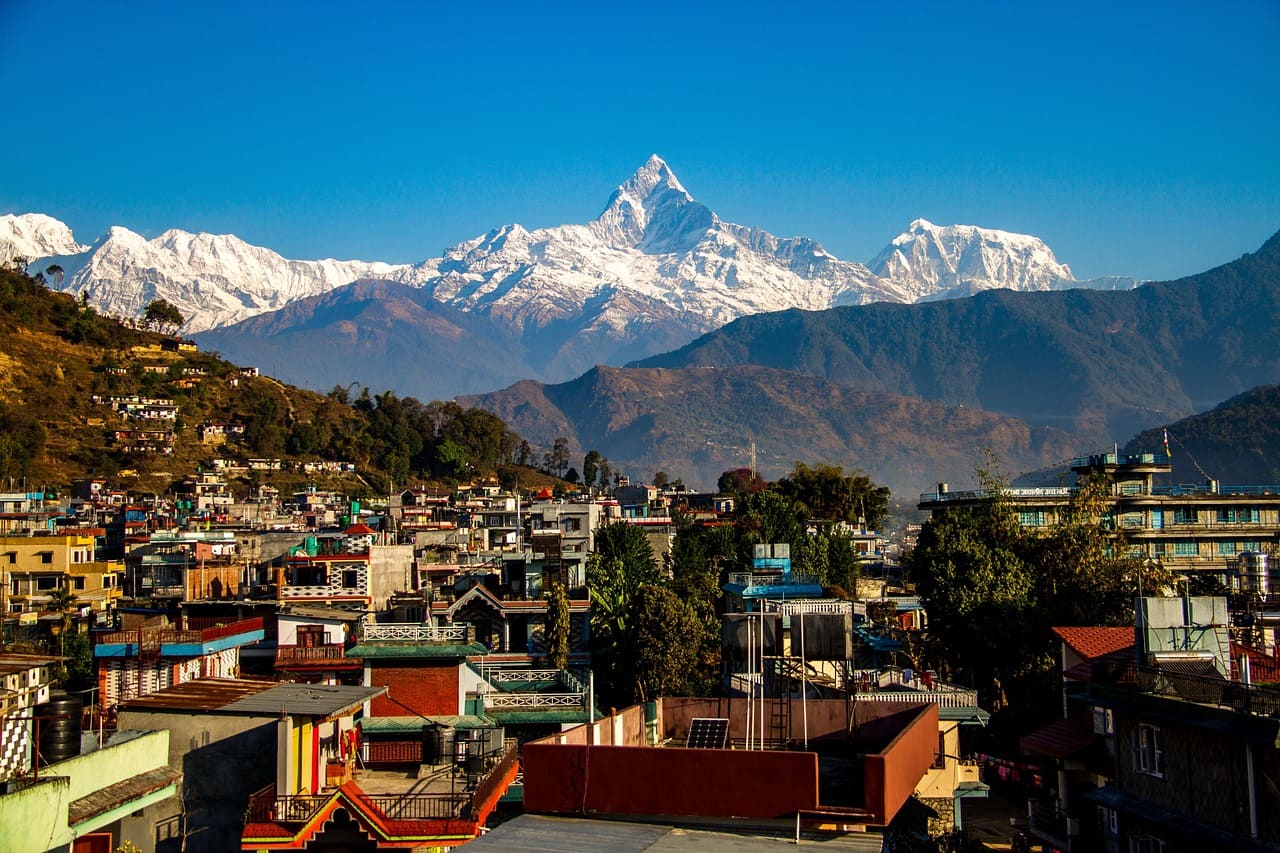
Pokhara valley is a peaceful lakeside city situated at the base of the Annapurna Himalayas, which is located within easy driving or flyable distance. Pokhara is famous for its natural charm. Also, it is a gateway for some of the globally renowned treks such as Annapurna Base Camp and Ghorepani Poon Hill. It's relaxation material, boating across the Phewa Lake, paragliding across the valley, or simply waiting in peace through the panoramic mountain view from Sarangkot.
Lumbini
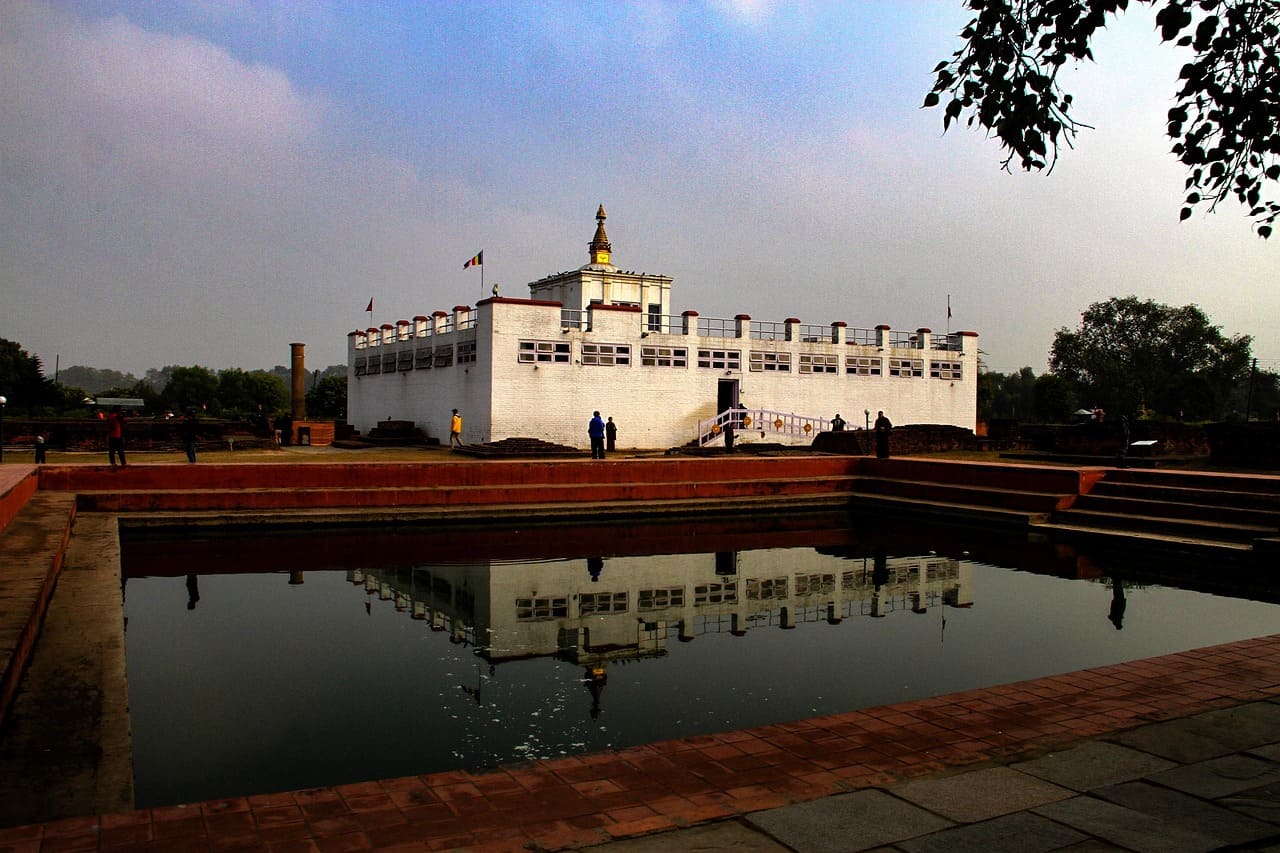
Lumbini is the Lord Buddha's birthplace, which is a holy pilgrimage destination for millions across the globe. Lumbini features the peaceful gardens in and around the Maya Devi Temple, the monasteries constructed by various nations, and other surrounding areas, form a serene and spiritually rewarding atmosphere for pilgrims of all faiths and backgrounds.
Chitwan National Park
Nature enthusiasts and animal lovers would love the Chitwan National Park, a UNESCO World Heritage Site, for its diverse ecosystems and safaris. The uniqueness of this park is based on the presence of such exotic species as one-horned rhinoceros, Bengal tiger, wild elephants, and various bird species. If one likes to have different conditions, then Bardiya National Park is an off-the-beaten-path jungle experience, better suited to those who prefer quieter nature walks and highest tigers in the open range.
Annapurna Region
Hikers will also have heaven in the Annapurna Region, where they will find trails for every kind of hiker. Easy short treks to Gurung villages like Ghandruk and Sikles or extended multi-week treks to the Annapurna Base Camp, the Annapurna region offers mountain majesty combined with wonderful cultural experiences. Further north is Mustang, with a unique Tibetan-style culture, arid landscapes, ancient caves, and ancient monasteries that feel like another planet.
Best Time to Visit Nepal
The best time to visit Nepal roughly depends upon on what kind of experience you are seeking like mountain trekking, culture site visits, or lowland wildlife safaris. But the peak and most pleasant seasons are autumn (September to November) and spring (March to May), when the climate is clean, dry, and temperatures moderate.
Autumn (September to November)
Autumn (September to November) is widely considered the best time to visit Nepal. The monsoon rain washes the skies crystal clear, offering a wonderful panorama of the Himalayas. It is the prime trekking period, particularly in more popular trails like Everest Base Camp, Annapurna Circuit, and Langtang Valley, where the temperature is constant and extremely pleasant during the day. The nights are chilly, making this ideal festival time, as well, when all the major festivals fall, including Dashain and Tihar.
Spring (March to May)
Spring (March to May) is also an ideal time to visit the country, especially for nature lovers. The climate is warm and dry, and the hills and trekking trails are clad in rhododendron blooms, especially in the Annapurna and Langtang regions. Visibility is clear in the mornings but gets hazy in lower regions by the afternoon. It's also an ideal time for mountaineering expeditions and wildlife sightseeing in Chitwan and Bardiya national parks.
Winter (December to February)
Winter (December to February) is chilly, especially in the hills, but otherwise a good season for cultural tours, city sightseeing, and low-altitude treks such as Ghorepani Poon Hill or Nagarkot-Dhulikhel. Skies are clearer and crowds smaller, which makes it a good time for travelers who prefer a less crowded experience.
Summer/Monsoon (June to August)
Summer/Monsoon (June to August) has rains throughout the entire major part of Nepal, especially in the hills and lowlands. The routes are challenging for trekking due to muddy terrain, landslides, and leeches. However, it is a great season to go to the rain-shadow areas like Upper Mustang and Dolpo, which stay relatively dry even during the monsoon. The view is green and scenic, and the cost at hotels is comparatively low since there are fewer tourists.
Accommodation in Nepal
Nepal has a diverse range of accommodations to cater to everyone's budget and mode of travel. For travelers at the higher end of the spectrum, there are luxury five-star resorts in Kathmandu and Pokhara. Boutique hotels, teahouses, guesthouses, and eco-lodges can be found in trekking regions. In the popular trekking areas like the Everest and Annapurna territories, basic teahouses (local-run basic lodges) provide clean rooms, hot food, and a warm place, which are ideal for adventurers. Low-budget travelers have an option to reside in homely hostels and homestays throughout the country, while spa wellness or mountain retreat enthusiasts can reside in serene resorts deep within nature. Wherever you are lodging, you will be treated to the hospitality and warm service of Nepal.
Nepal's Cuisine to Try
Nepali cuisine is a hearty blend of ethnic cultures, local ingredients, and Himalayan flavors. Dal bhat (rice, vegetables, and pickles with lentil soup), the national meal, is common in every part of the country and relished for its simplicity and healthy nature. Gourmets can relish hot momos (dumplings), chatpate (sour mix of snacks), or sweet rice flour ring sel roti. On the hills and mountains, try thukpa (noodle soup) or gundruk (sour greens). Nepal's variability is seen in its cuisine from Newari banquets in the Kathmandu Valley to Thakali food in the Annapurna. Vegetarian and vegan options are available almost everywhere, and international cuisine is readily available in tourist areas.
Cultural Etiquette to Observe in Nepal
Nepal is a very spiritual and conservative society, and it is crucial to observe local culture for a rich travel experience. Always welcome people with a courteous "Namaste," palms together and a small bow. Dress conservatively, particularly when visiting temples or the countryside. Take off your shoes when entering houses, temples, and certain shops. Eat with your right hand, as the left is said to be unclean. Avoid public displays of affection, and pointing with your feet is seen as insulting. Get permission before photographing individuals or religious rituals. Most of all, be humble and receptive. Nepalis are friendly and hospitality-oriented, and they love visitors who respect their culture in earnest.
Nepal Visa
Acquisition of a visa for Nepal is easy for most visitors. Tourist visas are available on arrival at Tribhuvan International Airport (Kathmandu) and at several land border crossing points, or may be pre-purchased at Nepalese embassies and consulates. Visa durations are most commonly available for 15, 30, or 90 days and can be extended while in the country. Tourists must carry a valid passport (with at least six months' validity) and a passport-sized photo. The fee for visas varies depending on the duration of stay. SAARC citizens are partially exempted, but some nationalities may be asked to pre-apply. Pre-arrival visa can be applied through Nepal's official immigration website to prevent delay upon arrival.