

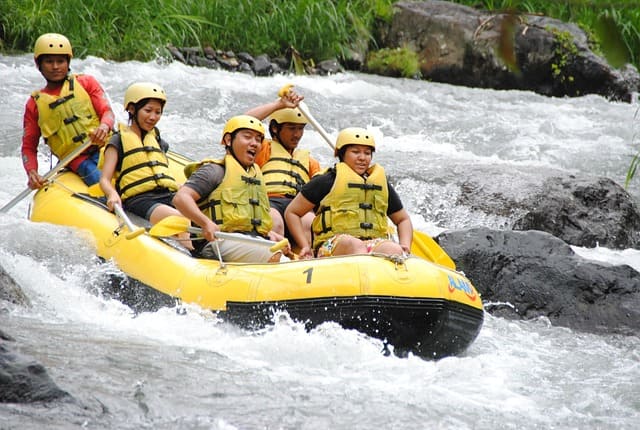

Trishuli River rafting is a top adventure activity in Nepal, visited by both beginner adventurers and seasoned thrill-seekers. Rising from the Langtang Himal and merging with the Narayani River, Trishuli meanders through green valleys, scenic villages, and awesome gorges, offering an experience of a lifetime amidst Nepal's nature. The river is a perfect mix of adventure and security, hence good for family, first-time, and solo travelers who want the experience of whitewater rafting without venturing too far out in the country from Kathmandu. Rafters can enjoy breathtaking scenery on the way through terraced rice paddies, traditional villages, and wildlife, so a mix of adventure and culture.
Trishuli River: Nepal’s Premier Rafting Destination
Though Nepal boasts numerous thrilling rivers, Trishuli is unique for its accessibility and variety. Trishuli takes its source in the Langtang hills and is accessible by a short 2–3 hour drive from Kathmandu, which makes it the favorite among those with limited time. The river presents a series of easy to medium-grade rapids, flowing through scenic vistas of forests, cliffs, and tiny riverside towns. There are other rivers like Bhote Koshi or Sun Koshi, which some thrill-seekers may opt for, but the Trishuli provides a perfect initiation into Nepal's world of whitewater rafting, with its landscape and rapids available to most visitors.
Trishuli River Rafting Adventure Package and Duration
There are a variety of packages from Trishuli rafting operators available according to different needs and periods. Half-day trips are ideal for time-pressed travelers or those looking for an instant rush, usually a 3–4 hour adventure and riding the most exciting rapids. Full-day trips, lasting between 6–8 hours, often include lunch breaks, longer river sections, and the option of visiting riverbank villages. For those who desire a more intense experience, multi-day rafting trips combine Trishuli rafting with trekking, camping, and cultural tourism so visitors have the opportunity to explore the countryside in depth. Personalized itineraries based on skill level, group size, and individual interests are also provided by most operators to ensure all participants an enjoyable time.
Difficulty Levels and Rapids Classification of Trishuli Rafting
The Trishuli River is primarily graded Class II–III on the International Scale of River Difficulty, suitable for beginning and mid-level rafters. Class II rapids are easy to paddle, with small waves and smooth drops that allow newbies to gain confidence in paddling techniques. Class III rapids are more adrenaline-pumping, with powerful currents and larger waves that require cooperation and careful maneuvering. Although. Not quite as extreme as rivers like Bhote Koshi or Sun Koshi, Trishuli offers the perfect mix of adventure and security to allow participants to enjoy the thrill of whitewater rafting without ever being in jeopardy under the guidance of skilled professionals.
Safety Precautions and Guidelines for Trishuli River Rafting
Safety is always the top priority in Trishuli rafting tours. All rafters receive an extensive pre-rafting orientation in paddling technique, how to handle an overboard capsize, and the signs that guides use. Experienced rafting guides accompany every trip to teach and observe for any dangers. Helmets, personal flotation devices, and protective equipment are mandatory, and guides typically pack first aid kits and rescue equipment. Additionally, the smooth rapids and regularly stable water levels make the Trishuli one of Nepal's safest rivers on which to raft, providing families, beginners, and solo travelers alike with a further degree of security.
What to Bring for Trishuli River Rafting in Nepal?
Packing smartly is the secret to a great Trishuli rafting experience. The must-bring items are quick-drying clothes, water sandals or shoes with straps, a hat, and strap-back sunglasses to avoid losing them in rapids. Reusable water bottles and sunblock should also be brought along. Some operators supply life vests, helmets, and paddles, but it is advisable to bring personal gear like waterproof cameras, snacks, and extra clothing for post-trip use. Light, water-proof bags are useful in not wetting valuable items, and participants do not need to use cotton clothing, as it soaks up water and makes rafting unpleasant.
Optimum Time to Raft in Nepal
The optimum time for rafting on the Trishuli River is in post-monsoon (September to November) and spring (March to May). The water is medium in these seasons, and the weather is typically clear and fine. The monsoon season (June to August) increases water levels, which create tougher rapids and hazards, while winter (December to February) becomes chilly, hence not that comfortable for long journeys. The post-monsoon period is the most favored because of green landscapes, blue skies, and good river flow, offering safety and scenery alike.
Accommodation Options During Trishuli River Rafting Trips
Accommodation for Trishuli rafting trips varies from ample options to cater to all budgets and tastes. Trips of shorter lengths tend to return participants to Kathmandu, where there are comfortable overnight accommodations in hotels and guesthouses. For the all-day or extended rafting experience, riverside camps and lodges have basic but welcome facilities and cuisine. River camping allows visitors to get up close with nature, listening to the sound of the running river at night and having an uncooked, adventurous sense. Part operators also offer hybrid trips, combining river camping with visits to neighboring hotels for ease and comfort.
Attractions and Activities Around Trishuli River
There is more to the Trishuli rafting destination than whitewater action. Tourists can explore typical villages, notice local farming, or trek up nearby trails for their hillside vistas. Temples and shrines adding cultural ambiance to the experience, nature enthusiasts can follow bird and small mammal life along the rivers' banks. Adventure tourists can also integrate rafting with other activities such as zip-lining, trekking, or mountain biking, forming a dynamic itinerary that interweaves thrills, exploration, and cultural immersion.
Why Visit Trishuli for Rafting Adventures?
The unusual blend of natural beauty, culture, and river accessibility in Nepal makes it an outstanding destination for rafting adventures. The Trishuli River, in particular, offers an ideal entry into Nepal's whitewater scenery, combining modest rapids, stunning landscapes, and nearby cultural immersion. Beyond the excitement, rafters are also able to engage with local populations, enjoy riverside views, and taste Nepalese hospitality at its best. Choosing Nepal for rafting promises a memorable, refreshing experience that combines adventure, nature, and culture into one trip.
Note: You can also choose the Bhotekoshi River Rafting in Nepal if you want to do the rafting for more then 1 day. For 2 days you can do the Bhotekoshi River rafting as well but more than that you can choose the Sun Koshi River Rafting which is of 8 to 10 days.